
Do Junior Tennis Rankings Matter? Sinner Was No. 133
Junior rankings predict less than parents think. Sinner peaked at No. 133 as a junior. The data on who makes it, and where the money does more.
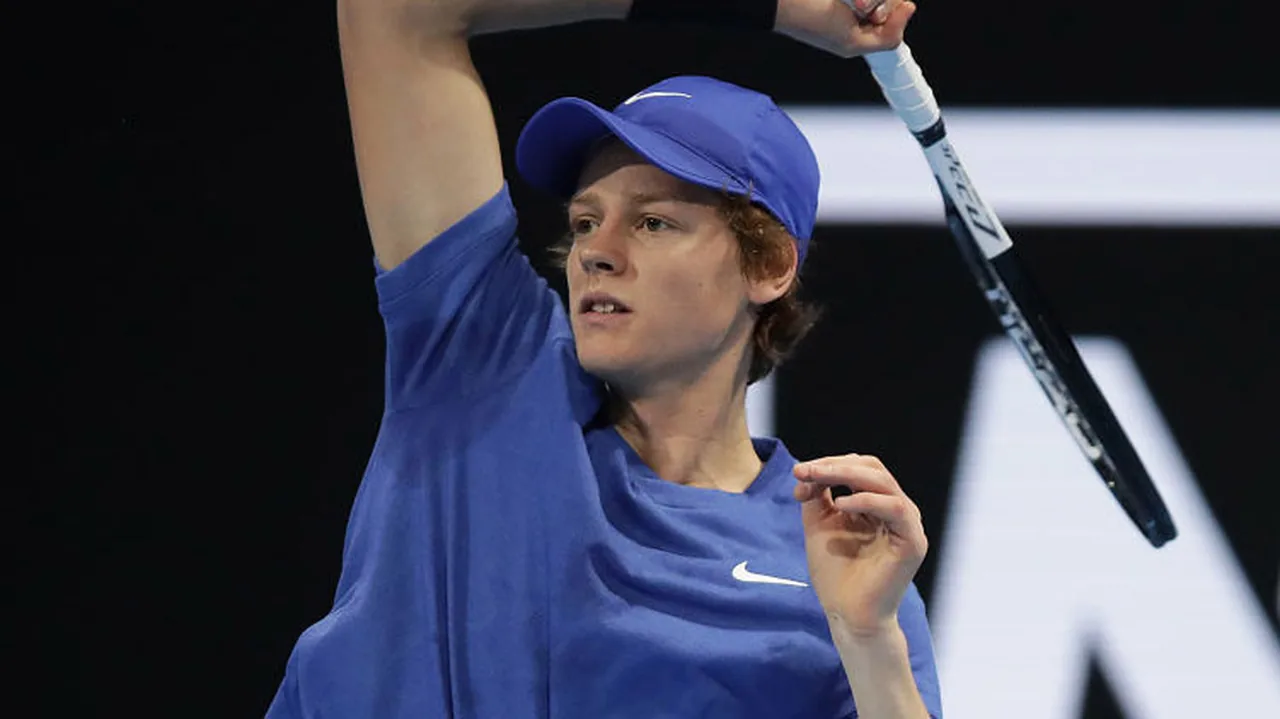
A reel went around tennis parents this week promising to "literally save you $20,000." The pitch was simple: stop trying to build the best 13-year-old in the world, build the best 23-year-old. We checked the claim underneath it, and it holds. Jannik Sinner's career-high junior ranking was No. 133. He skipped every junior Grand Slam, played exactly one Grade A junior event, and was a national giant slalom champion before he was a tennis player. As of this week he is the ATP world No. 1 with five major titles, the most recent a second straight Wimbledon in July. He will sit out the US Open with a knee injury, and at 25 he has already done more than any junior ranking predicted.
He is not a fluke. He is the pattern, and the research on junior rankings has been saying so for more than a decade.
The boy who ranked 133rd
Sinner's junior numbers read like a kid who was not trying very hard at junior tennis, because he was not. He grew up skiing in the South Tyrol, won a national giant slalom title at seven, and did not commit to tennis until 13, when he left home for Riccardo Piatti's academy in Bordighera. His last ITF junior event was a quarterfinal at the 2018 Trofeo Bonfiglio in Milan, the one Grade A he ever entered. He never played a junior Slam. His ITF junior career high sits at No. 133, a number that would not get a 16-year-old a second look from most academies in this country.
What happened next is the actual lesson. He won his first ATP title in Sofia at 19, the youngest Italian tour champion of the Open Era. He won his first major at the 2024 Australian Open at 22 years and 165 days. Five majors later he is 25 and No. 1. The junior ranking was never the goal. It was a side effect of a development plan that was aimed ten years out.
The research parents have not read
The most-cited study on this question looked at 3,521 under-14 players, 377 under-18 rankings and roughly 1,500 professionals. Its conclusion, in the authors' own words: junior (U18) performances and youth (U14) tournament results "appear to have a low success rate in predicting later success." Only 42.6 percent of the men's top 20 and 28.3 percent of the women's top 20 had even played the elite U14 events the study tracked. Read that again. Most top-20 pros were not on the elite 14-and-under circuit. Of the boys who were, 6.2 percent reached the pro top 200.
A 2020 study of 373 top-300 players found rankings between ages 14 and 18 "were not reliable in predicting a player's future ranking" except at the extremes. And the ITF's own coaching research on top-10 juniors from 1996 to 2005 found that 58 percent of the men and 72 percent of the women reached the pro top 100. Good odds, far from a lock. Nearly half of the best junior boys in the world in that decade never cracked the top 100 for a single week.
The junior No. 1s toy have never heard of
The flip side of Sinner is a roll call. Filip Peliwo was the 2012 ITF junior world champion and won the Wimbledon and US Open boys' titles the same summer; his career-high ATP ranking was No. 161. Axel Geller reached junior No. 1 in 2017 and peaked at No. 539 before retiring in 2022. Whitney Osuigwe was the 2017 junior world champion and Roland Garros girls' champion; her WTA career high was No. 105. None of those players did anything wrong. They peaked on a ladder that stops mattering the day you leave it.
Now the other direction. Aryna Sabalenka's junior career high was No. 225, and like Sinner she skipped the junior Slams entirely. She became WTA world No. 1 in 2023. Matteo Berrettini peaked at junior No. 52 and went on to a Wimbledon final and a career high of No. 6. The list of pros who were ordinary juniors is long, and almost none of them show up in a 12s rankings search.
Where the ranking actually matters
Here is the honest part, because the reel left it out. Junior results are not worthless. A 2025 study in the ITF Coaching and Sport Science Review found that 83 percent of ATP and 86 percent of WTA top-150 players had ranked inside the ITF junior top 100 at some point. The U18 international level is real, and for the top 10 in the world, junior titles are nearly universal.
Notice the two things that bar is not. It is not a 14-and-under ranking, which the research says predicts almost nothing. And it is not top 10; it is top 100, a tier Sinner, Sabalenka and Berrettini all comfortably fit inside. The same 2025 study adds its own caution: only 30 to 40 percent of top juniors advance far enough to make a living from the sport. The target is a 17-year-old who can compete internationally, not a 13-year-old who wins everything in the section. (How the ITF junior ladder actually works →)
Build the 23-year-old
The reel's "23-year-old" line turns out to be data, not a slogan. A 2018 study of 82 top-10 players found men hit their peak ranking at 23.1 years old on average, women at 22.1, and that both groups spent roughly ten years getting to international junior level and another ten getting to their peak. Across the full ATP top 100, players first reach the top 100 at about 22. That is where the timeline ends. A schedule optimized for age 13 is optimized for the wrong year.
The physical research points the same way. A 2025 review in Sports Health found that elite adult players specialized later, at 13 to 15, than the near-elite players who went all-in at 11, and that early specializers carry a more than 30 percent higher injury risk than multi-sport kids. The review's guidelines are specific: no more training hours a week than a child's age, a 16-hour ceiling, and at least two hours a week of injury prevention work. Sinner was still racing gates at 12. That was not lost time.
Where does the $20,000 go instead
Nobody can promise you a dollar figure, so here is the math from our own cost reporting. USTA entry fees run about $40 to $80 an event, an out-of-town weekend adds roughly $300 to $500 in travel, and a traveling coach runs a few hundred dollars a day on top. Every six tournament weekends you add on top of a sane schedule is $2,000 to $3,500 before anyone pays a coach to come along, and roughly double that once someone does. Families of nationally ranked juniors have long reported spending $30,000 a year and up. The tournament line is the one that moves. (What junior tennis really costs →)
Redirect it toward the things the 23-year-old needs: better coaching at the hours that fit the age, a real physical program, mental skills work, and a second serve and a backhand slice that do not exist yet. Then keep the schedule that the research supports, which is fewer, better-chosen events with training blocks around them. Rankings follow. Sinner's did, about a decade later.
And while you build the player, build the record of it: the results, the video, the progress. Junior rankings expire. A documented player does not.
Build a profile that does the work for you.
What was Jannik Sinner's junior ranking?
Sinner's career-high ITF junior ranking was No. 133. He never played a junior Grand Slam and entered only one Grade A junior event, the 2018 Trofeo Bonfiglio, where he reached the quarterfinals. He went on to win his first major at the 2024 Australian Open and, as of August 2026, is world No. 1 with five Grand Slam titles.
Do junior tennis rankings predict professional success?
Only weakly, especially at the 14-and-under level. A study of more than 3,500 U14 players found youth and junior results had "a low success rate in predicting later success," and most top-20 pros never played the elite U14 events. Success at the U18 international level matters more: a 2025 study found 83 percent of ATP and 86 percent of WTA top-150 players had ranked inside the ITF junior top 100.
At what age do tennis players peak?
Later than most junior schedules assume. A study of top-10 players found men reached their peak ranking at about 23 and women at about 22, and the typical ATP top-100 player first enters the top 100 around age 22. Sports-medicine research also finds elite players specialized later, around 13 to 15, than near-elite players who specialized at 11.
Sources: ITF; ATP Tour; Sport Management Review (Brouwers et al. 2012); International Journal of Sports Science & Coaching; ITF Coaching & Sport Science Review; International Journal of Performance Analysis in Sport; Sports Health; USTA Georgia; Money