
Nick Kyrgios and the Case for the Boring Work
Nick Kyrgios reached a Wimbledon final on pure talent, then his body broke down. By his own admission he skipped the gym and the rehab. Here is the lesson.
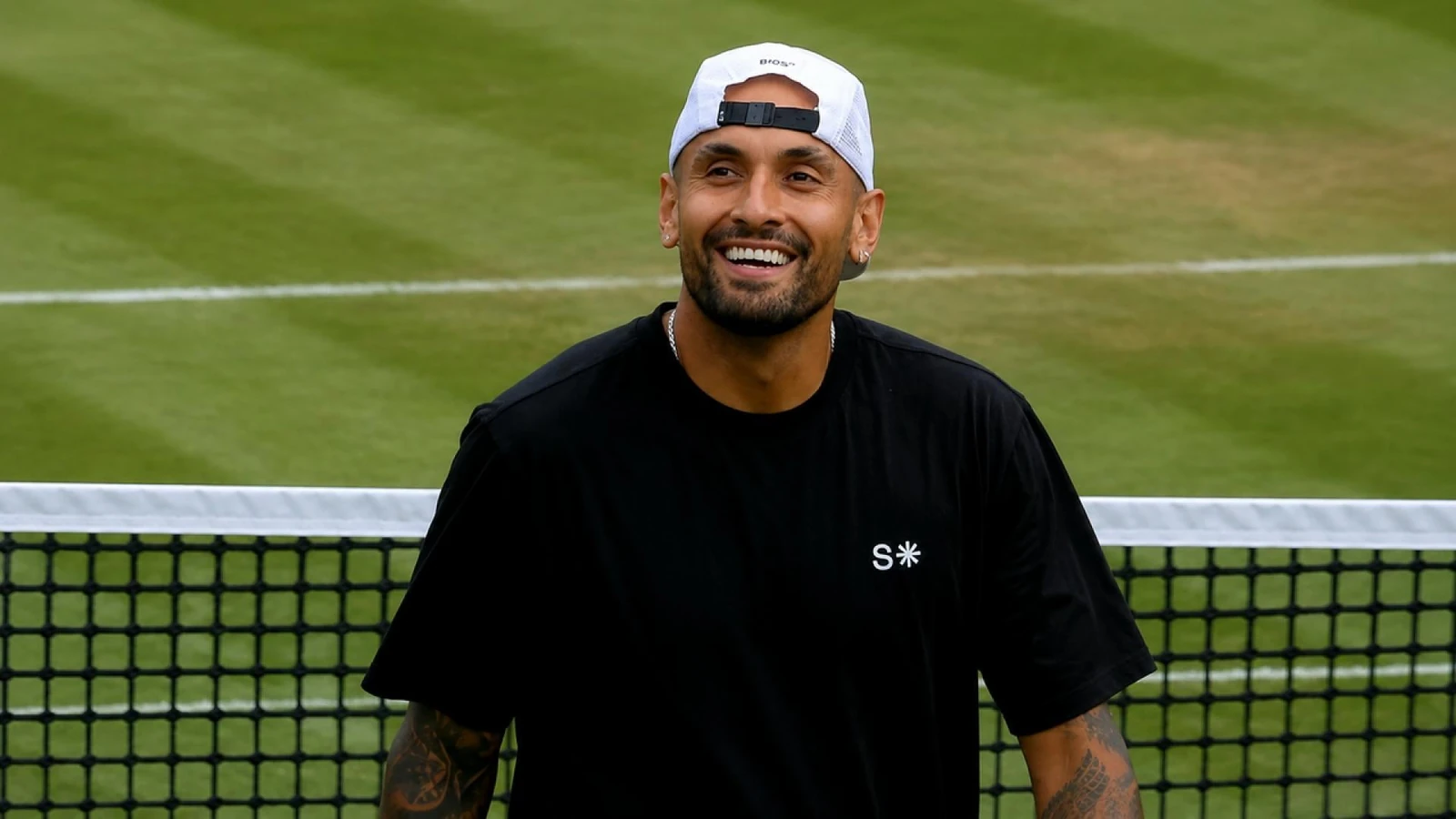
Few players have ever been more naturally gifted. Nick Kyrgios owns wins over Djokovic, Nadal, and Federer, and he rode that talent all the way to the 2022 Wimbledon final. Then his body stopped cooperating. Knee surgery, a torn wrist ligament, season after season lost to the training room. Talent got him to the final. It could not keep him on the court.
He has been unusually honest about why, and that honesty is a free lesson for every junior coming up behind him.
"I probably haven't trained enough"
Kyrgios has never hidden it. "I won't train day in, day out," he has said. "I won't show up every day." And more directly: "I probably haven't trained enough." He has described practice as hitting with his mates rather than fully engaging, and the off-season as time to step completely away from the game.
The most revealing quote is the one where he lays out the exact regimen he chose not to do: "I don't have a doubt that if I wanted to win Grand Slams, I would commit. I'd train two times a day. I'd go to the gym every day. I'd stretch. I'd do rehab. I'd eat right." Read that list again. Gym, stretching, rehab, nutrition. That is not a list of how to win majors. It is a list of how to stay healthy enough to keep competing.
Nobody can prove the cause, and that is not the point
Be fair here. No one can say his lighter regimen caused any specific injury. Bodies break down for many reasons, the tour is brutal, and he had real bad luck, including a wrist tear that he said required surgery and would likely leave permanent arthritis. But the work he describes skipping, the gym and the prehab and the recovery, is exactly the work that builds a body able to absorb a professional career. He reached a Slam final without it. That is the seduction, and it is the trap.
In tennis, your body is the equipment
This is the Player Health truth underneath the whole story. Your body is the equipment, and the unglamorous work is what lets your talent show up year after year instead of for one magical fortnight. The players who last are not always the most gifted. They are the ones who treat conditioning and recovery as part of training, not as extras.
What the durability work actually is
The good news for a junior: this is coachable, and the research is clear. The strongest predictor of injury is a sudden spike in workload, so build training load up gradually and avoid big jumps, especially when returning from a break. Take at least one day off a week, taper before tournaments, and schedule recovery after a hard match.
Strength matters more than it looks. Core and lower-body work, squats, lunges, and plyometrics protect the knees, hips, and ankles, and a strong trunk keeps you from overusing your arm and shoulder. In studies, targeted shoulder and kinetic-chain work cut overuse injuries by around a quarter.
Recovery is training too. Players under 18 need eight to ten hours of sleep, real rest days, and basics like hydration and mobility work. And the volume guardrails are simple: a common guideline is to train fewer weekly hours than your age, keep junior match loads sane, and speak up about pain early instead of hiding it.
Talent is the seduction. Durability is the moat.
When you are gifted, you can win for a while without the boring work, so it is tempting to skip it. The bill comes later. The longest careers in the sport were built on professionalism that looked dull from the outside, the daily gym and stretch and rehab that Kyrgios named and set aside. Talent opens the door. Durability is what keeps you in the room long enough to use it.
The mind is part of the picture too
One thing to hold with care: Kyrgios has also been open and brave about serious mental health struggles. That is a separate and important story, not a training issue, and it is a reminder that holistic care includes the mind. Looking after your mental health, and asking for help is part of the work, never a weakness. His own message to others was simple: you are not alone.
What to do now
Treat the gym, the stretching, the sleep, and the recovery as non-negotiable parts of training, not optional add-ons you get to when you feel like it. Build those habits while you are young, when they are easy to keep. The talent is what people see. The durability is what decides how long they get to keep watching.
Kyrgios handed the next generation a lesson he paid full price for. The talent is the gift. The durability is the choice.
Build a profile that does the work for you.
Why has Nick Kyrgios been injured so much?
Since reaching the 2022 Wimbledon final, Kyrgios has battled knee surgery, a torn wrist ligament he said would likely leave permanent arthritis, and other issues, missing most of 2023 and 2024 and playing only a handful of matches in 2025. Injuries have many causes, and he has also been candid that he did not always do the full physical regimen.
Did Nick Kyrgios train hard?
By his own admission, not the way his rivals did. He has said "I probably haven't trained enough" and that he would not show up every day, while acknowledging that winning Grand Slams would require committing to twice-daily training, the gym, stretching, rehab, and diet.
What can junior tennis players learn from Nick Kyrgios?
That talent does not protect your body. The durability work, gradual load management, strength and recovery, sleep, and looking after your mind, is what lets talent last across a career. Build those habits early and treat them as part of training, not extras.
Sources: Nick Kyrgios's public interviews and Netflix Break Point; ATP / career record; ESPN and Sky Sports on his injuries; sports-medicine research on tennis injury prevention (load management, strength, recovery, sleep).