
You Lost First Round. Now What?
In junior tennis the back draw is where most of the field actually competes. Real UTR data, rare pressure-free reps, and a week that is not over yet.
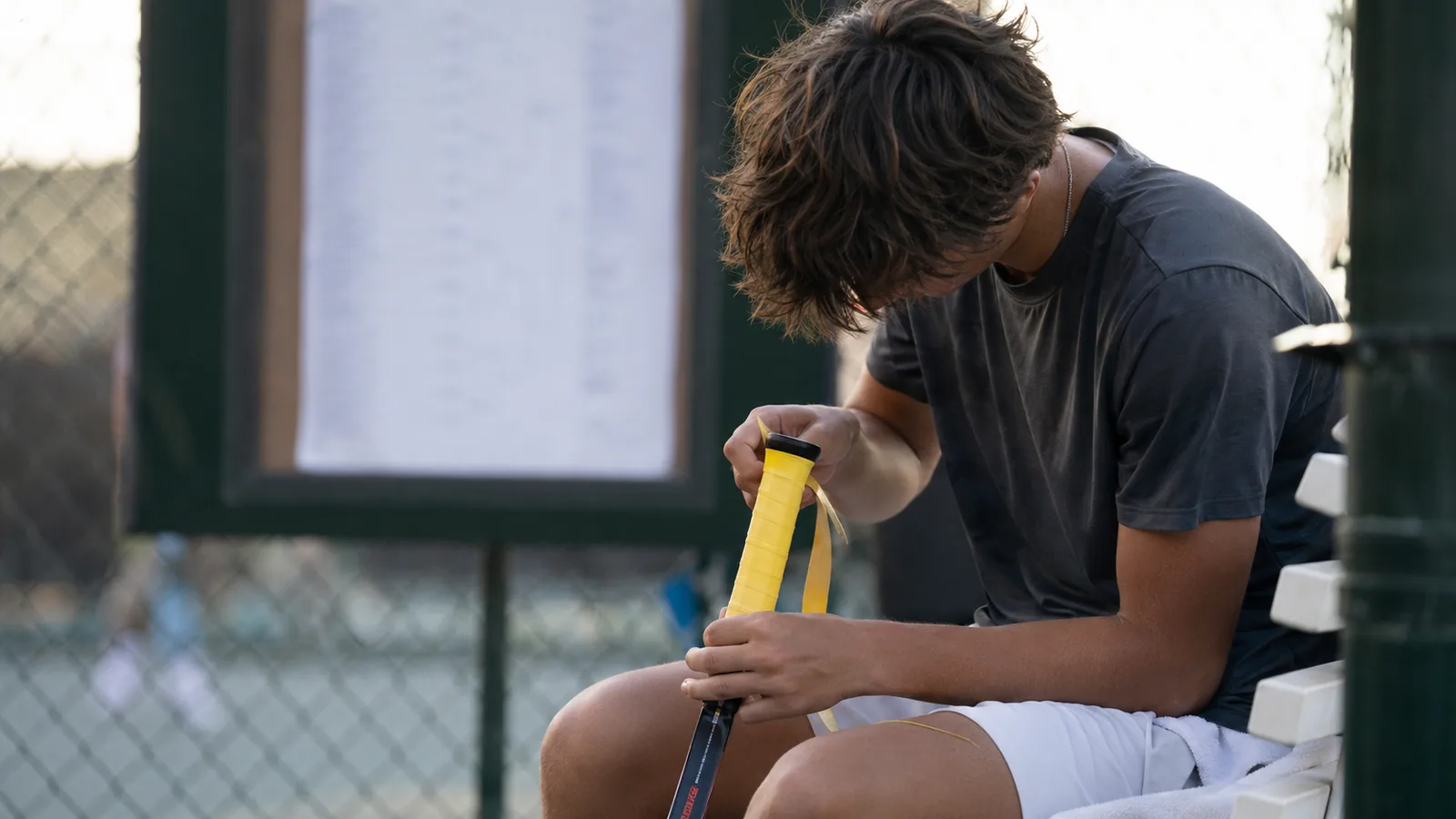
A first-round loss at a big USTA event does not send you home. At the national championships, the format guarantees the opposite: losers feed into a consolation bracket, the back draw, and at nationals it takes losers all the way through the quarterfinals, with placement matches beyond that. A player who loses their opener at a national can still play most of a week of tennis. Whether they do, and how, is one of the sharpest separators in junior development.
Here is the case for staying, and the playbook for it.
The math: one front draw, everyone else in the back
Do the arithmetic on a national-championship field. Roughly 200 players enter the singles. One of them wins the front draw, which means almost the entire field ends its tournament with a loss, and most of it sooner rather than later. The event knows this, which is why the feed-in exists. At Kalamazoo and San Diego, the back draw runs all week with real stakes: placement matches all the way to a third-place playoff.
Losing round one does not make you the exception. It makes you the median. The exception is the player who converts the rest of the week into something.
What the back draw actually pays
Rating points, first. Your UTR is a weighted average of your most recent matches, up to 30 of them over a year, and it weighs how competitive the games were, win or lose. A back-draw match counts exactly like a front-draw match. Five consolation matches are five fresh data points, against opponents at your level, on the same courts you traveled for. For a rating that decides which college coaches open your email, that volume matters.
Reps, second, and specifically the rarest kind: competitive matches with something to prove and nothing to protect. Coaches watch how juniors compete when the seeding pressure is gone. Scouts of every kind, college and otherwise, love a kid grinding through a Wednesday consolation round nobody made them play.
And the intangible one: the USTA's own sport-science advice after losses is to keep your routine identical win or lose, and treat improvement as a process with ups and downs built in. Former WTA pro Christina McHale's version, from her junior years: "It took pressure off me when I was playing, knowing that whether I won that match or lost, I was going to do the same things." Her sharper line for close losses: "If you're having really close losses, that shows that you're right where you need to be."
The next-hour playbook
Give the loss its three minutes. What worked, what broke, one thing for tomorrow. Write it down, close the notebook. The full autopsy can wait for the coach at home.
Then handle the body, because the back draw is a workload: food, fluids, shade, the same recovery block you would run between two wins. Research on junior nationals shows medical withdrawals climb from a player's fifth match of an event, and back-draw weeks get there fast. Recover like the week matters, because it now does.
Then check in, sign up, and compete for the best finish left. Third place exists. Fifth place exists. Playing for them is not a consolation prize mentality. It is a professional one, and it is visible: a week of fight after a first-round loss is exactly the story worth posting, because character is content too.
Build a profile that does the work for you.
What is the back draw in junior tennis?
The consolation bracket for players who lose in the main draw. At USTA national championships it is a feed-in championship: losers through the quarterfinals drop into it, and placement playoffs decide finishing positions, so a first-round loser is guaranteed more tennis.
Do consolation matches count for UTR?
Yes, the same as any other match. UTR is a weighted average of up to 30 recent matches over 12 months and factors how competitive the games are, win or lose, so back-draw matches add real rating data points.
How do you bounce back after losing a tennis match?
Keep your routine identical win or lose, give the loss a short honest review and one takeaway, then recover physically before your next match. Coaches and sport scientists emphasize treating improvement as a process, and close losses usually mean you are at the right level.
Sources: USTA; Universal Tennis (UTR); Sports Health